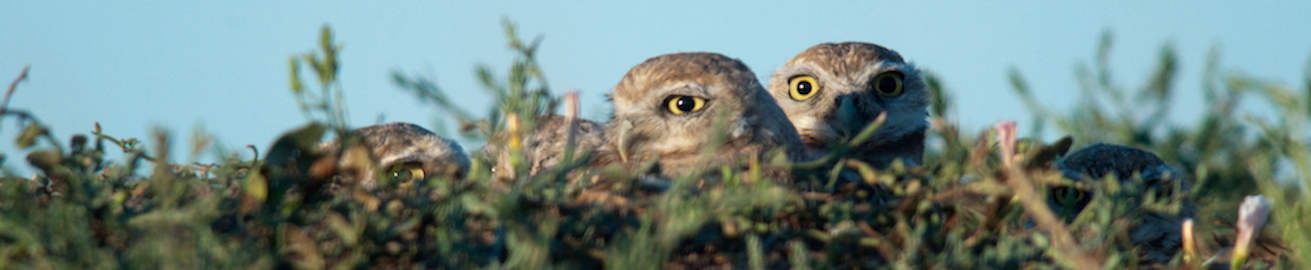
I hope everyone participated in at least one day of the four day Great Backyard Bird Count of 2018. I submitted five checklists from four different locations yielding 44 species.
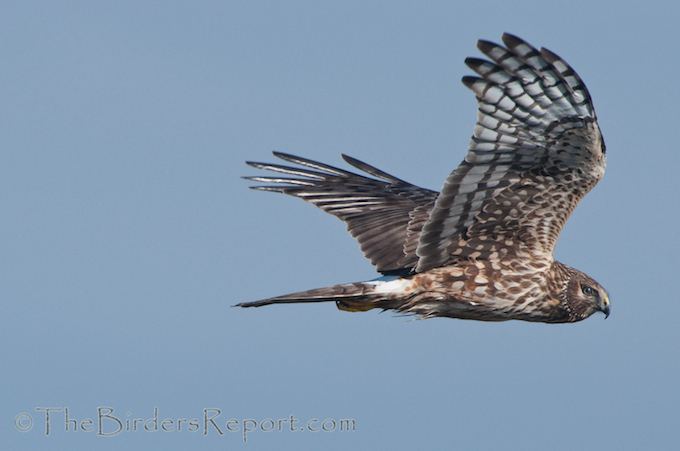
As I walked out on my back porch on Friday morning, the first day of the count, it was a cool, clear day and the birds were very active at the feeders. As the Red-Shouldered Hawk seen above screamed overhead, Acorn Woodpeckers not only treated themselves to the woodpecker feeder, they had to attack the sunflower feeders as well.
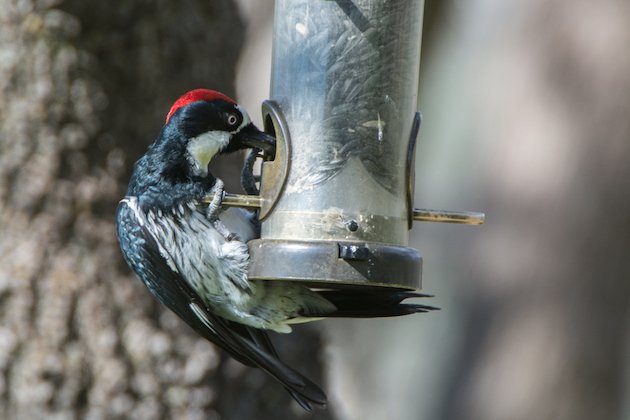
There were scores of House Finches chirping in the tree tops so I scoured the scene and finally found a pair of Purple Finches that were traveling with them. A male…
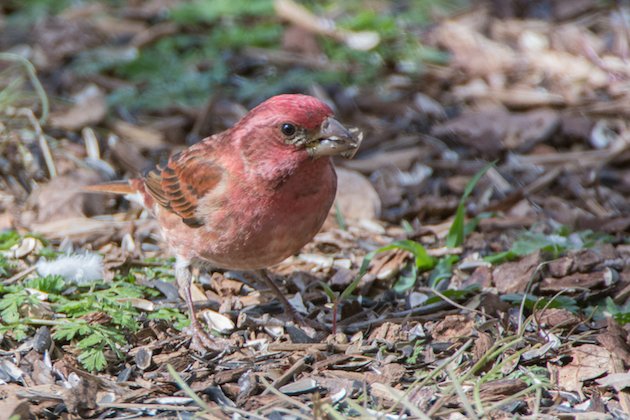
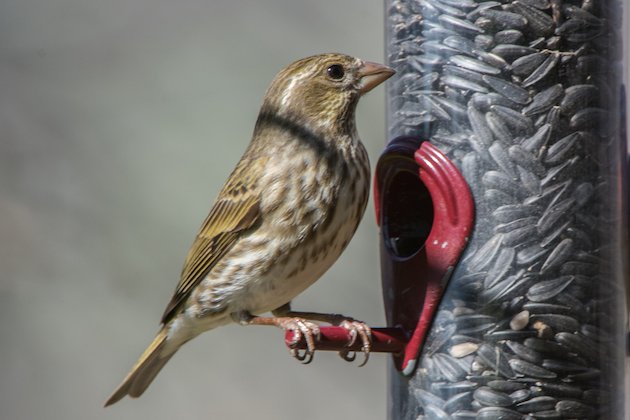
and a female.
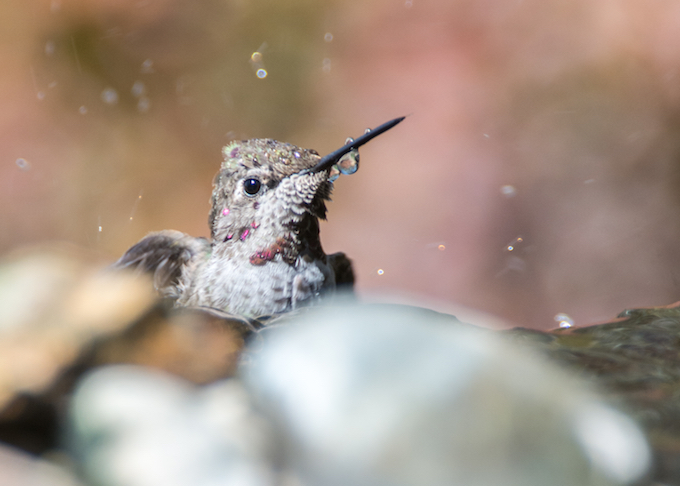
There were several Anna’s Hummingbirds vying for spots at the feeders but a few were bathing in the water feature’s waterfall.
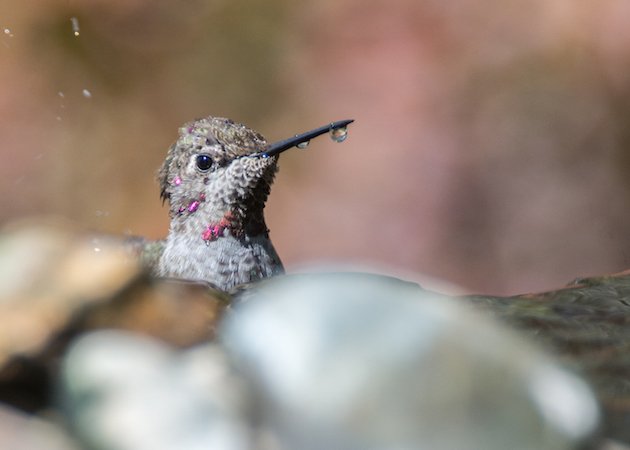
Most of the birds feeding at the various feeders would occasionally take time to drink or bathe at the water feature. Here is a male Lesser Goldfinch taking his turn.

As an adult Bald Eagle and a first of the season flock of Tree Swallows flew overhead, several birds were cleaning up underneath the feeders. There were California Scrub-Jays gathering up as many sunflower seeds as they could hold in their beaks…

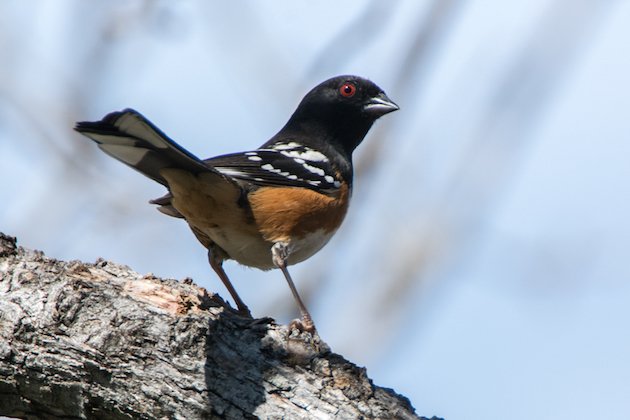
and Spotted Towhees who would occasionally perch up in the trees waiting their turn.
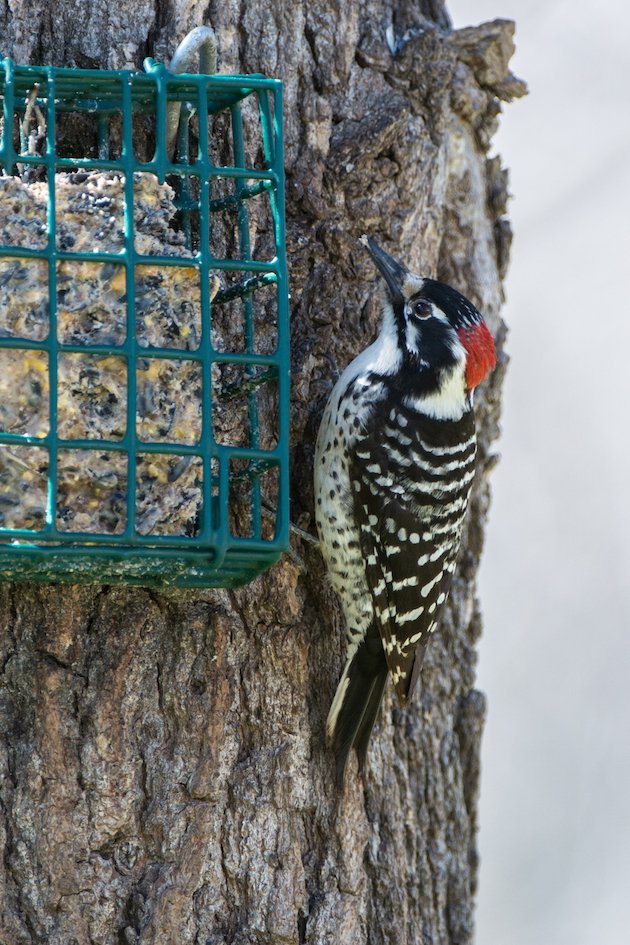
The suet feeder was visited by not only the Scrub-Jays and Acorn Woodpeckers, the White-breasted Nuthatches and Nuttall’s Woodpeckers took their turns at the fat rich meal.
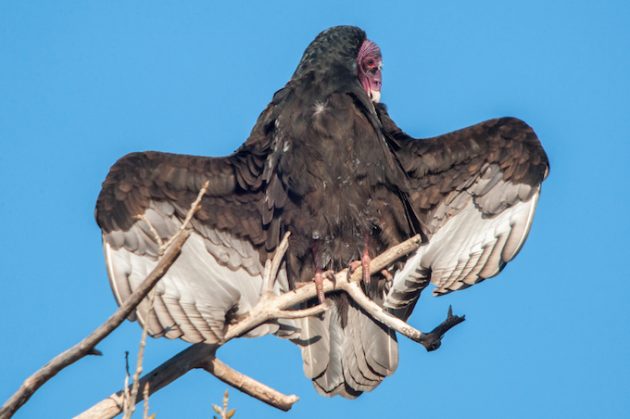
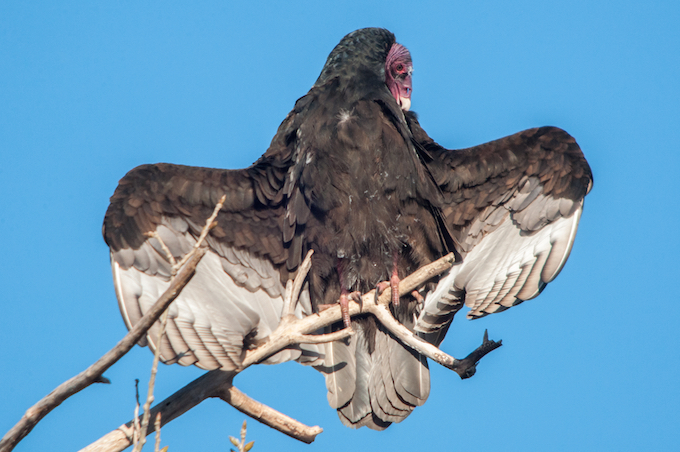
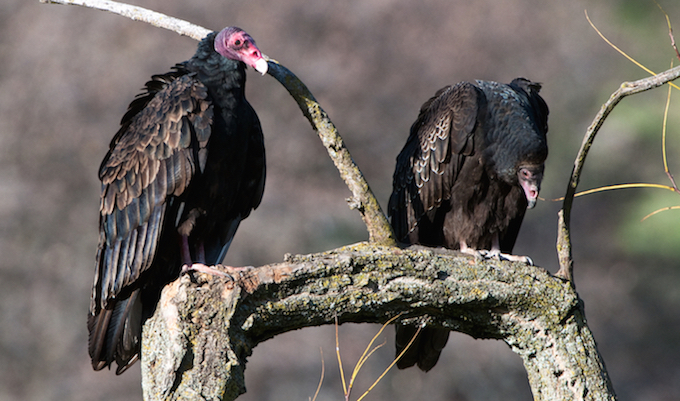
Following two days of observing and recording my yardbirds I took a drive to Lema Ranch, a birding hotspot in Redding, about 25 miles west of my home. On the way to town I always find some great birds on the country roads and I usually stop to observe and sometimes photograph them. Sunday was no exception. Not only did I have Sandhill Cranes flying overhead, there were the usual American Kestrels perched on the wires and dozens of Turkey Vultures …
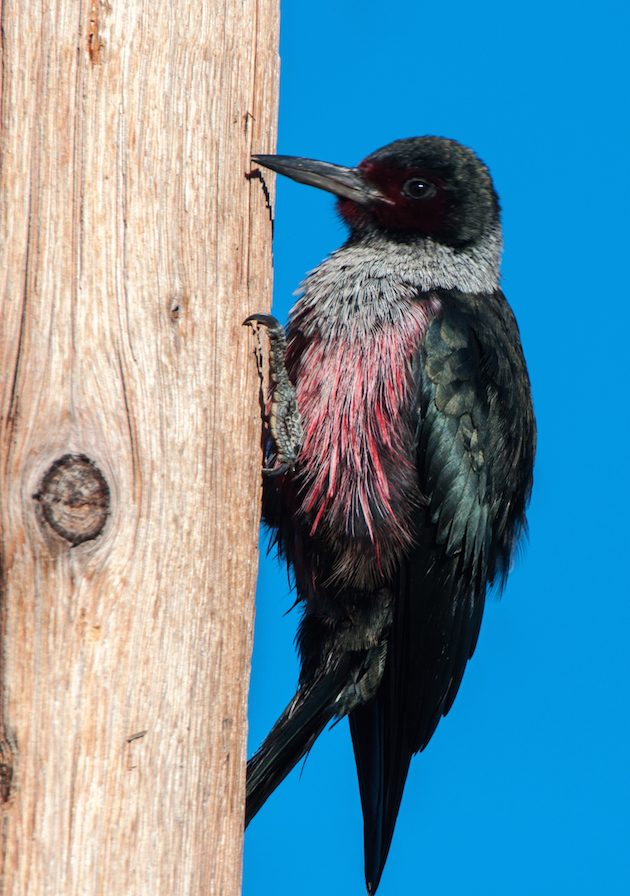
and our local Lewis’s Woodpeckers.
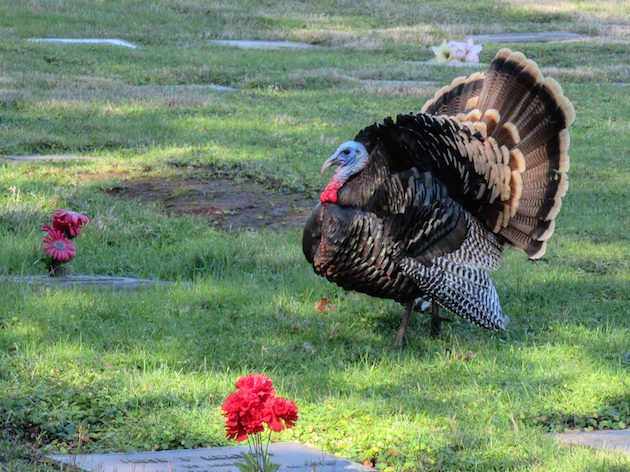
Wild Turkeys were out in full display.
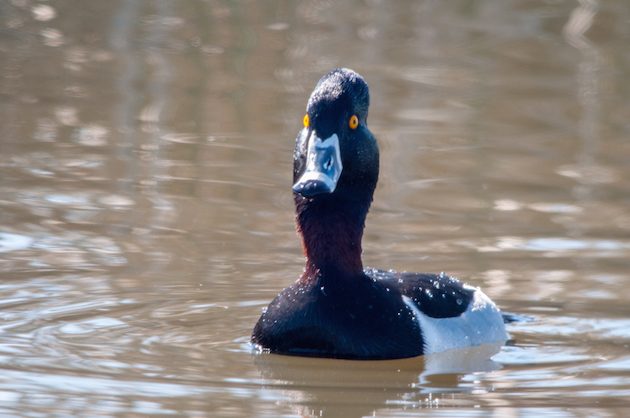
Lema Ranch has several ponds and is always a great spot for waterfowl but I was surprised to find four Snow Geese on secluded pond! The ranch’s ponds yielded several Ring-necked Ducks…
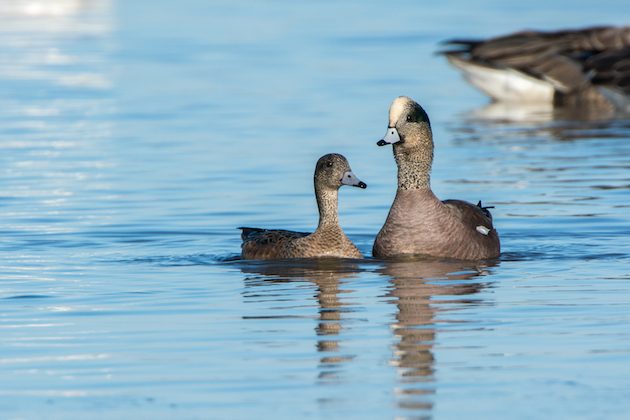
large numbers of American Wigeon …
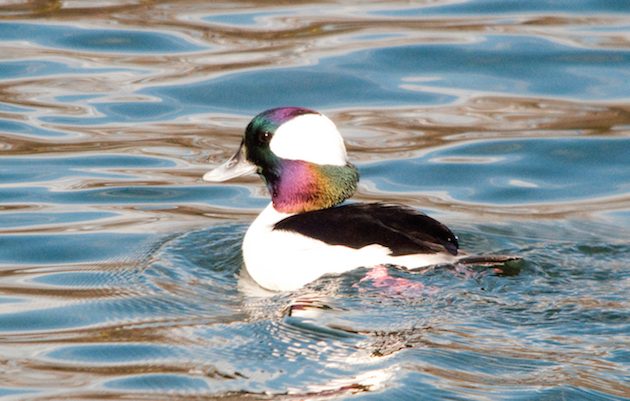
several Bufflehead …
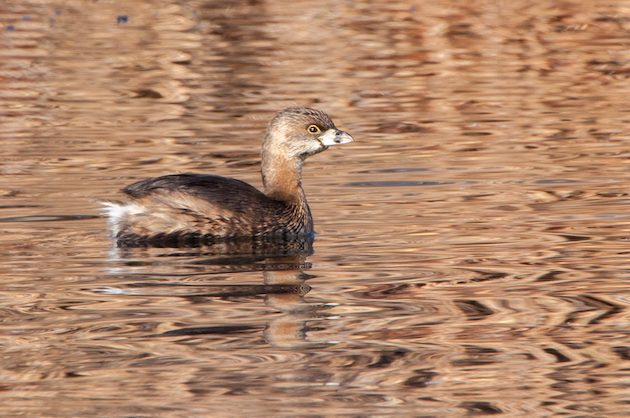
and Pied-billed Grebes.
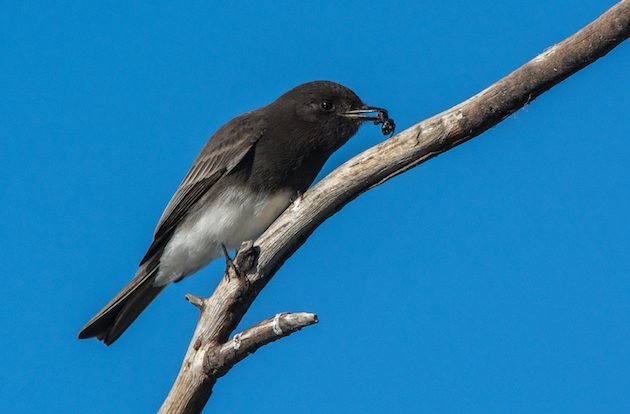
There were Black Phoebes hawking insects around the ponds …
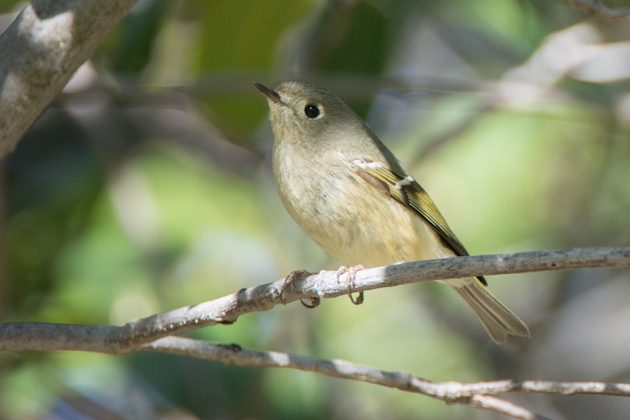
Ruby-crowned Kinglets foraging in the trees…
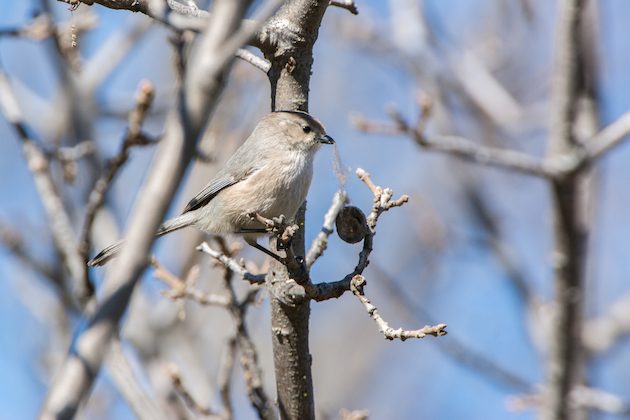
and a male Bushtit collecting nesting material.
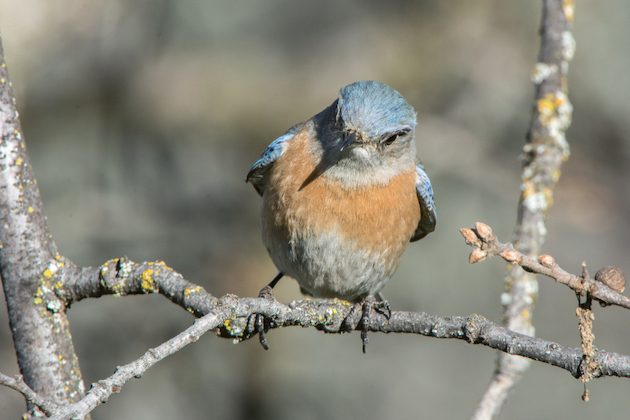
Of course, Lema Ranch is one of the locations of my bluebird trails, so I found several Western Bluebirds, including this female intensely hunting ground dwelling insects.
All in all, I tallied 44 species. They are Turkey Vulture, Bald Eagle, Red-shouldered Hawk, Red-tailed Hawk, Eurasian Collared-Dove, Mourning Dove, Anna’s Hummingbird, Acorn Woodpecker, Nuttall’s Woodpecker, Northern Flicker, California Scrub-Jay, Tree Swallow, Oak Titmouse, White-breasted Nuthatch, Dark-eyed Junco, Spotted Towhee, House Finch, Purple Finch, Lesser Goldfinch, Ring-necked Duck, Greater White-fronted Goose, Canada Goose, American Wigeon, Mallard, Snow Goose, Bufflehead, Pied-billed Grebe, American Coot, Black Phoebe, Common Raven, Bushtit, Bewick’s Wren, Ruby-crowned Kinglet, Western Bluebird, European Starling, Yellow-rumped Warbler, Golden-crowned Sparrow, Song Sparrow, Red-winged Blackbird, Lewis’s Woodpecker, Wild Turkey, American Kestrel, California Quail and Pine Siskin. Fun birding!



Social Media Connect