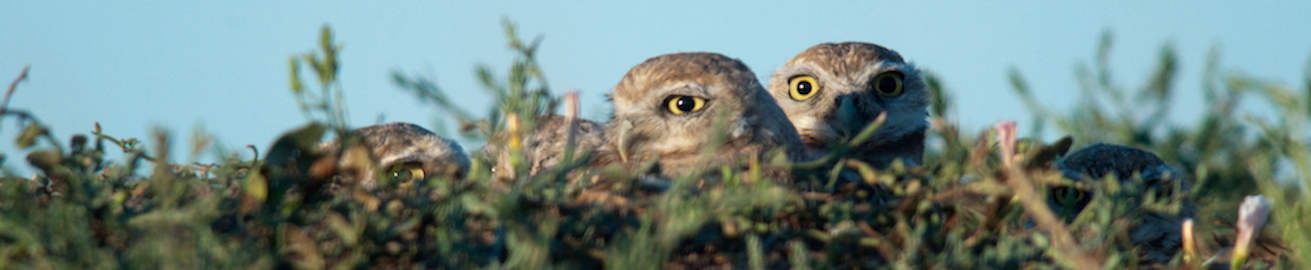

Wood Duck male photo by Steve Berliner
What an incredibly beautiful bird is the Wood Duck. Many people actually consider the wood duck as being the most beautiful of all water fowl. They are about 19 – 21 inches long with an average wingspan of 29 inches. As you can see from this great photo by Steve Berliner, the adult male or drake has distinctive multi-colored iridescent plumage and red eyes.
The female, as you will see in another photo, is less colorful. She is mostly brown and has a white eye ring and a white throat. Both the male and female have crested heads. Listen to the wood duck’s call here:
[audio:http://www.buildyourownbirdhouseplans.com/audio/WoodDuck2.mp3]
The wood duck is one of the only ducks that nests in trees. There breeding habitat is near wooded swamps, marshes, shallow lakes and ponds in eastern North America and the west coast of the U.S. and Mexico. When they are swimming wood ducks bob their heads back and forth in a jerking motion making them pretty easy to spot.

Wood Duck Pair photo by Steve Berliner
The wood duck nests in trees near water, sometimes directly over water but other times up to a mile away. After hatching, the ducklings jump down from the nest tree and make their way to the water.
The wood duck population was in serious decline at the beginning of the 20th century because of over hunting and loss of suitable nesting sites. Some changes in hunting laws and a program of nestbox construction in suitable habitat has returned the wood duck to sustainable numbers.

Wood Duck drake sitting in a tree photo by Steve Berliner
If you are a landowner or manager with property near a lake, pond or stream, you could have some of these beautiful ducks breeding on your own property. I had the opportunity to see several wood ducks up close in an oak tree next to the Sacramento River just last week while on a bird outing.
I can’t even convey to you how impressed I am with these beautiful birds. If you are interested in building a wood duck nestbox to help increase the wood duck population in your area, click on the “Build Your Own Birdhouses” link here or in the right blog column. I have also put a nestbox diagram in the resources section of the blog.
Happy Birding!





Comments on this entry are closed.
Surprised to see a pair of wood ducks in the trees behind my house this morning, I discovered your blog after searching wood ducks nest in trees. Your post was not only informative but beautiful. Thanks,
Donna
MNGardens last blog post..Plant Some Love
@Donna thank you very much for your kind words. I’m glad you found me!
I would so love to see one!
Brenda
Brenda Kulas last blog post..Friday Features
I just spotted a female wood duck and her babies in my back yard, headed for Spout Run and/or the Potomac River. I couldn’t really count the ducklings, but I think there were three or four.
I live in western CT, and have a very small swamp in my back yard. Wood ducks have been here for years. In the last few weeks, I have been hearing some very eerie noises in the evening, early morning, and sometimes during the night. It sounds like wood ducks, but is not the standard call. It does have that thin quality to the voice, and there seem to be many callers. Quite insistent. Once daylight really comes on strong, it stops. So, my question is – do wood ducks call to each other during the twilight and dark hours? I can’t think what else it would be.
@Marge Wood Ducks have at least 12 distinct vocalizations. You can here one of their calls here. This time of year, females use the “coquette” call, a loud penetrating call given at nocturnal roosting sites as part of the courtship. It attracts males, reinforces pair bond, and maintains contact during nest search according to Cornell Lab.
Hi–
I live on a lake in New Hampshire and two ducks flew across my lot and landed in the neighbor’s trees–fairly high above the lake. I have NEVER seen a duck land in a tree! I thought I was losing it! They flew off over the lake when I got close so I can’t tell you what they looked like–but I think they must be wood ducks? Are they in NH? Do other ducks land in trees?
Thanks!
Marty
@Marty they were probably Wood Ducks however there are several other species of duck that nest in tree cavities:
Bufflehead, Barrow’s Goldeneye, Common Goldeneye, Hooded Merganser and Common Merganser
Today we found a duckling on land about 100 yards from a 250 acre lake. It was in a wooded area that would be very difficult for so small a recent hatchling to traverse, including a 30 ft steep rugged incline. What should we do with the duckling? There was no adult around and certainly would not survive without help. Please advise any suggustions.
@Ben my suggestion would be to try to get the duckling back to the lake where the rest of its family is. Ducklings follow their mother up to two miles to get to water after they leave the nest which is usually within 12 hours or so after hatching. 100 yards is not a long way for a duckling to go following its calling mother. You might see a duck with a bunch of ducklings swimming behind her out on that pond!
The other alternative would be to look up the closest wildlife rehabber and take it there. Here is a website to look up rehabbers by state: http://www.wildliferehabber.org/st_disp_list.php
Ducklings eat mostly insects during their first month of life and one of the most important things about raising baby birds is their diet. Food for thought, up to 75% of Mallard eggs don’t survive to fledging. In northern California only about 35% of ducklings survive to 50 days. Sad, I know. This is why birds lay so many eggs and more so for waterfowl.
I think I have a duck nest in the hollow of my tree. There are 3 or4 greyish eggs.
Great Diane! If they’re Wood Ducks you can begin watching for the hatching day about 30 days after the female begins incubation. She will begin incubating the eggs once she has a full clutch which is normally 8 to 10 eggs. I hope you get to see them jump out of the tree!
Earlier today we saw baby ducklings falling from our maple tree. Thing is….I live in the city. We do have a large pool that we just opened up this past week. Being from the city, I had never seen Wood Ducks except on the lake. We have a river about two blocks away though. I am wondering if momma duck thought our “dirty winter pool” (had a black cover on it) was maybe a pond. It was such a cool thing to watch. We counted 15 ducklings as we had to herd them out of the street. They were sooo adorable!!!
Very cool Gail! Thanks for sharing your experience!